Summary: Florence’s Signoria remains a powerful public space linking republican politics, art, protest and mo
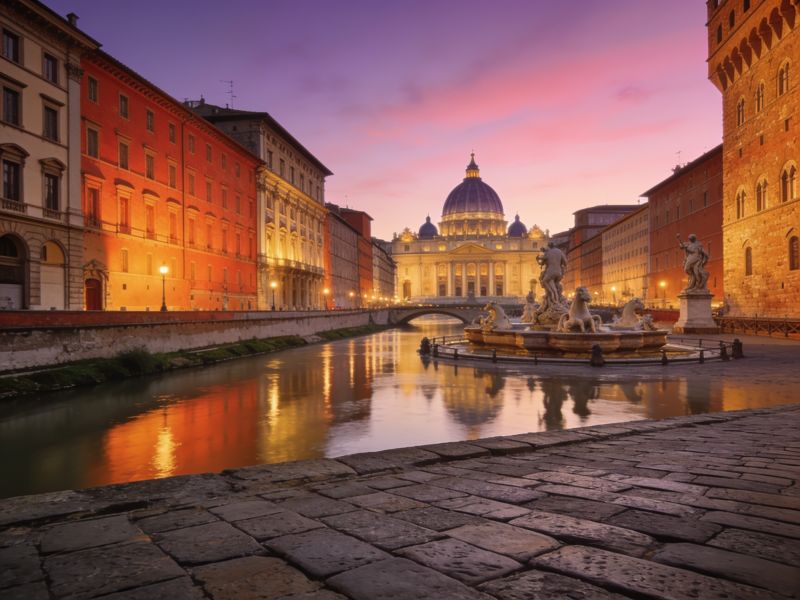
Florence’s Signoria still shapes the city’s public life centuries after the medieval government that gave it a name disappeared. In the broad space outside Palazzo Vecchio, tourists pause beneath the tower, street musicians compete with the bells, and guides point toward statues that once carried the political messages of the republic. The Signoria was never merely a palace or a square. It was the operating center of Florence。where the city’s leading families negotiated, argued and sometimes gambled with the future of the state. The building’s severe stone façade continues to project authority, but the scene around it is far less controlled than it was in the fifteenth century. Children climb the steps, commuters cut across the piazza and visitors photograph the replica of Michelangelo’s David. That contrast gives the Signoria its unusual force: a former seat of power now functions as an open stage for ordinary urban life.The Signoria emerged from Florence’s complicated republican system, which placed executive authority in the hands of a rotating group of priors and a gonfaloniere, or chief magistrate. Their terms were deliberately short, limiting the chance that one family could turn public office into a permanent throne. In practice, politics remained intensely personal. Merchant wealth。banking networks and marriage alliances influenced every major decision, while rival factions competed for access to the council chambers. The Signoria’s rooms preserve the physical drama of that system. In the Hall of the Five Hundred, immense wall paintings turn civic history into spectacle, while the smaller offices suggest the cramped, pressured business of government. Visitors often focus on the decoration, yet the more revealing detail is architectural: entrances, stairways and guarded thresholds were designed to separate officials from the crowd outside. Florence’s republican ideals depended on public legitimacy, but the Signoria also understood the value of controlled access.That tension became visible during the rise of Girolamo Savonarola, the Dominican preacher who challenged Florence’s luxury and political compromises in the 1490s. His influence reached the Signoria after the Medici were expelled。and for a brief period the city experimented with a more openly religious form of government. The famous “Bonfire of the Vanities” in 1497 transformed the nearby Piazza della Signoria into a theatre of moral purification, with books, paintings, cosmetics and musical instruments thrown into the flames. A year later, Savonarola himself was executed in the same square. A circular plaque now marks the spot, easy to miss among paving stones and passing crowds. Standing there, the history feels less like a polished museum narrative and more like a warning about public enthusiasm. The Signoria could amplify a leader’s message, but it could also turn against him with startling speed.Art gave the Signoria another language of authority. The original David stood outside Palazzo Vecchio from 1504, presenting Florence as a small but defiant power confronting larger enemies. Its replacement is less fragile than the original, yet the symbolic message remains intact. Nearby sculptures by Cellini, Giambologna and Ammannati create a visual argument about victory, discipline and civic strength. Some pieces celebrate Medici rule, revealing how quickly the Signoria’s republican setting could be adapted to dynastic purposes. The square therefore works as a kind of political newspaper written in marble. Each statue reports who wanted to be remembered, what threat was being emphasized and which version of Florence deserved public approval. On a recent afternoon, visitors moved from one sculpture to another while guides explained the legends;
many seemed more interested in photographs than propaganda. Even so。the arrangement still directs the eye and quietly controls the story.
Modern Florence has turned the Signoria into a cultural landmark, but the site has not lost its political charge. Demonstrations, public ceremonies and civic gatherings continue to use the piazza because its symbolism is immediately understood. The Signoria connects tourism with memory in a way few European squares manage so efficiently. Restaurants and souvenir stalls surround it, yet the commercial activity does not erase the harder history beneath the surface. The same stones witnessed republican debate, religious persecution。dynastic consolidation and the punishment of political enemies. That layered record explains why the Signoria feels more compelling than a static monument. It remains a place where authority is displayed, challenged and repackaged for a new audience. Florence’s past is not locked behind museum glass here;it is exposed to traffic, weather, cameras and argument. The Signoria survives because the city keeps finding new uses for an old stage.