Summary: Lino, short for linoleum, is a renewable flooring material made from linseed oil, cork dust, and jut
Walk into a mid-century schoolhouse in England or a farmhouse in rural France, and you might spot it underfoot: lino, short for linoleum, a flooring material that's been quietly outlasting trends since the 1860s. Frederick Walton invented it by accident, noticing a skin of oxidized linseed oil on a paint can. He turned that discovery into a floor covering that would grace kitchens, hospitals, and ships for over a century. Then vinyl came along, stole the spotlight。and lino got filed away as a relic.That's a shame, because modern lino deserves a second look. The core ingredients—linseed oil。cork dust, wood flour, pine resin, and jute—are all renewable. No petrochemicals. No phthalates. The linseed oil oxidizes over time, which actually makes the material harder and more durable as it ages. I've seen lino floors from the 1950s still going strong in post offices and train stations, worn smooth in high-traffic spots but not cracked or peeling. Try saying that about a twelve-year-old vinyl plank.Lino does have quirks. It's heavy—a roll can weigh more than a small refrigerator—and it needs to acclimate to room temperature for at least 48 hours before installation. Moisture is its enemy during fitting;trapped damp can cause the edges to curl. Then there's the maintenance: a pH-neutral cleaner and a reapplication of polish every few months keep it looking sharp. Skip the polish and the surface dulls, though it won't disintegrate. The trade-off feels fair for a floor that might outlive its installer.Health-conscious buyers are driving a quiet lino revival. Asthma and allergy sufferers benefit from its naturally antimicrobial surface—linseed oil resists bacteria and dust mites. In schools and clinics across Scandinavia, lino is specified not just for green credentials but because it's static-dissipative, meaning it won't zap sensitive electronics. Designers have also embraced lino's color palette, which ranges from muted oatmeal to deep terracotta;
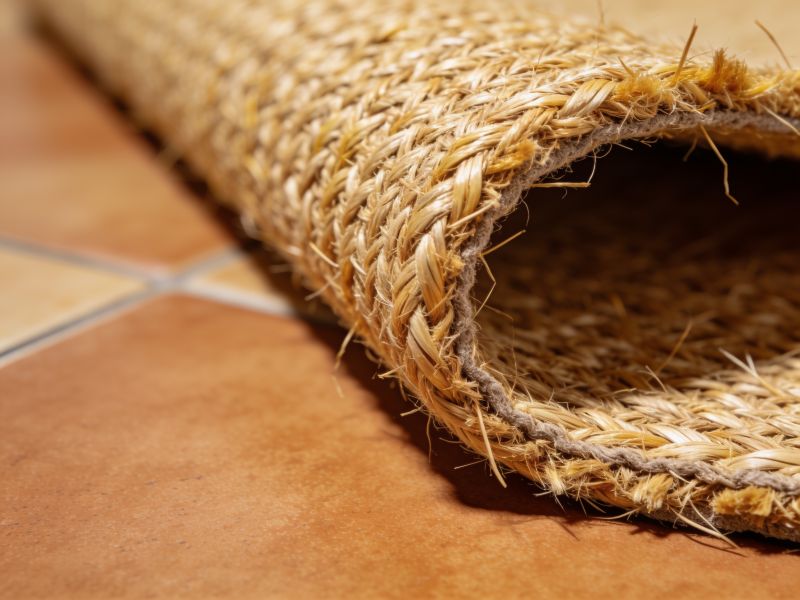
the pigment is mixed into the material, not printed on top。so patterns don't wear away.Cost-wise。lino sits in the middle: pricier than basic vinyl but cheaper than ceramic tile or hardwood. A square meter might run you £25–£40, installation extra. If you're remodeling a kitchen and want something that won't off-gas for years。lino is a solid bet. Just don't confuse it with vinyl sheet or laminate—those are different beasts entirely, despite the marketing blur. Ask for linoleum by name, check the composition, and you'll get a floor that ages with character. That's more than most modern materials can claim.