Summary: Lü De Jong is a designer whose quiet influence shapes furniture and interiors through material resea
ü De Jong doesn't do interviews. That's the first thing you learn when you try to track her down. For someone whose fingerprints are on some of the most influential furniture and interiors of the past two decades, she has an almost pathological aversion to the spotlight. I once sat in a café in Rotterdam waiting for a source who knew her from her early days at the Design Academy Eindhoven. He showed up forty minutes late, ordered a mint tea, and said, 'Lü?She's the reason half the stuff in this room exists。
and you've probably never heard her name.' That pretty much sums it up.What makes Lü De Jong's work so compelling isn't any single signature piece—though her 2007 'Fold' series for a small Dutch label has become a quiet collector's item. It's her method. She works like a translator, moving between the language of industrial production and the vocabulary of daily use. A chair isn't a sculpture;it's a negotiation between a factory's minimum order quantity and the way a tired body slumps after a long day. I've seen her sketchbooks. They're less about form and more about friction—notes on how a hinge wears out after 5,000 cycles, sketches of a handle being grabbed by wet hands. 'If it doesn't survive a Tuesday。' she told a colleague once, 'it's not finished.' That pragmatism runs through everything associated with Lü De Jong.Her influence spreads through teaching and mentorship rather than manifestos. She spent seven years running a studio at the Royal Danish Academy, and the list of designers who passed through her criticism sessions reads like a who's who of contemporary Scandinavian craft. She has a reputation for bluntness. One former student recalled presenting a lamp concept and being asked, 'Who is this for—your portfolio or a person?
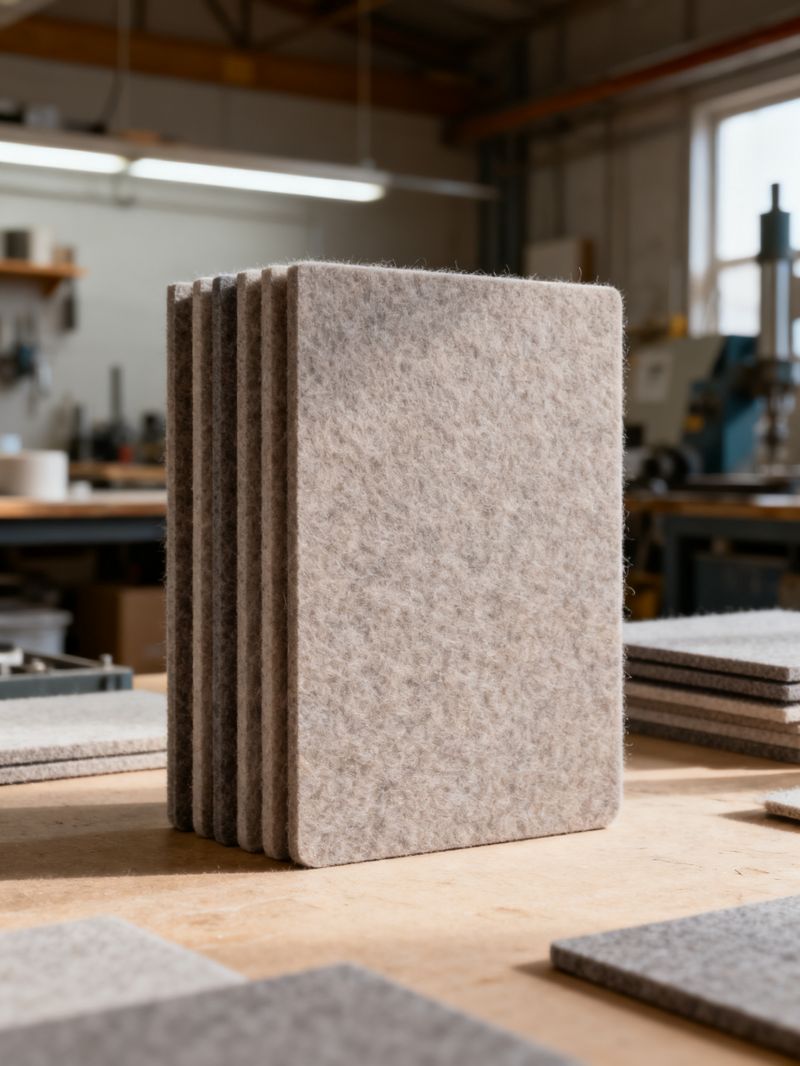
' The room went silent. Three weeks later, the student rebuilt the entire project around a single user: a night-shift nurse. That's the Lü De Jong effect. She doesn't hand out answers;she removes the comfortable ones.Then there's the material research. For the past five years, Lü De Jong has been quietly working with a small team in Jutland on recycled wool composites. No press releases。no trade show booths. Just samples—dozens of them—stacked in a converted barn. A contact who visited last autumn described walls of tactile squares in muted grays and browns, each labeled with a code and a failure date. 'She knows exactly which batch will delaminate in six months,' he said. 'Most people would've shipped it two years ago.' That patience, that willingness to sit with failure, is rare. It's also why her name keeps surfacing in conversations about sustainable furniture, even though she'd probably hate that label.
You won't find Lü De Jong on stage at design weeks or posting process videos. She's more likely to be in a workshop, arguing about tolerances with a machinist who's been doing the job for thirty years. And maybe that's the point. In an industry obsessed with authorship and spectacle, she's a reminder that the best design often feels like it has no author at all—just a series of small, stubborn decisions made by someone who cares more about the object's life than her own reputation.